Dima Kryzhanovskyi

Scroll to explore
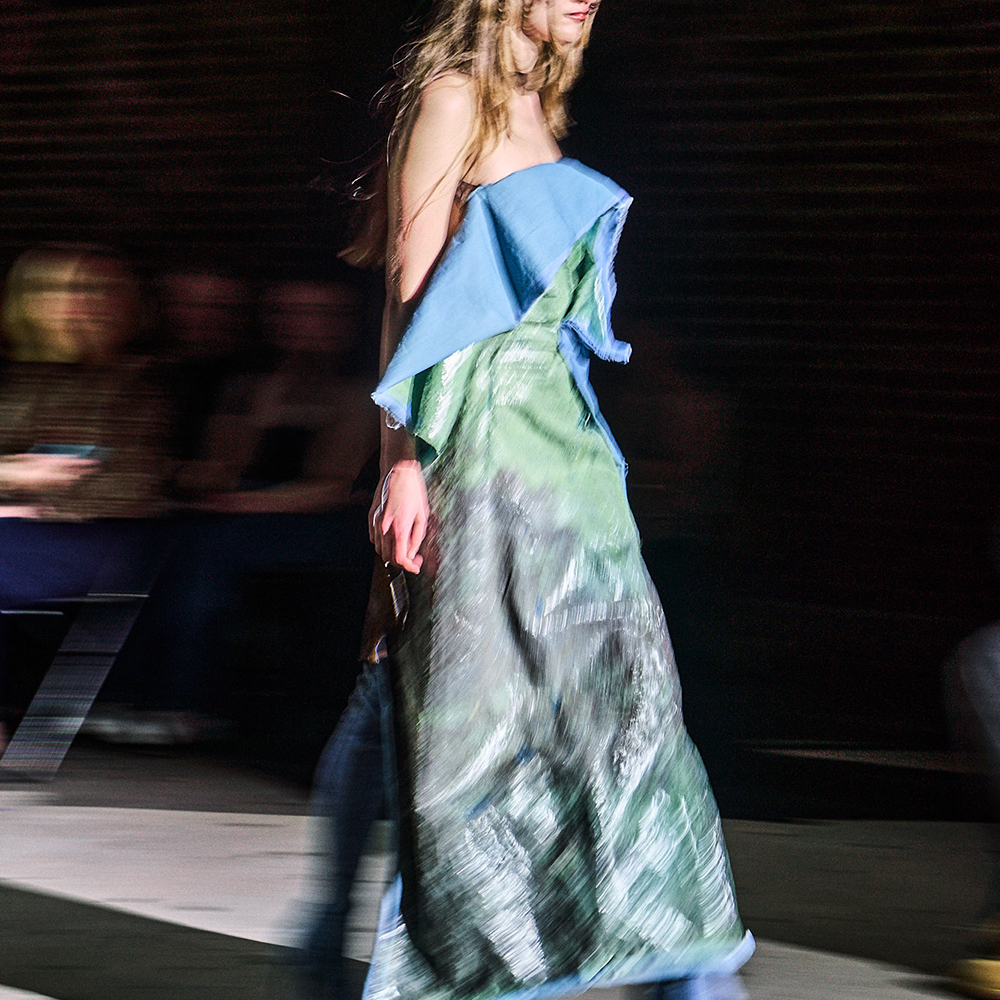
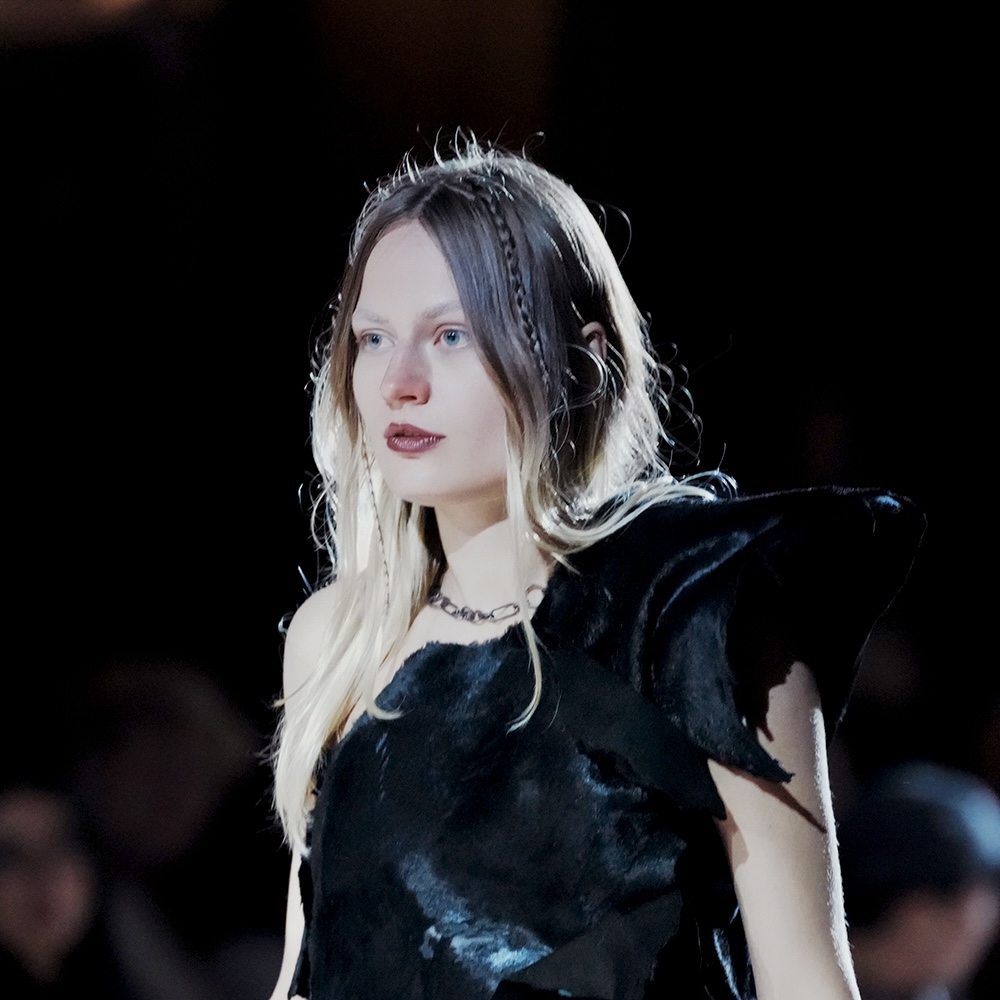
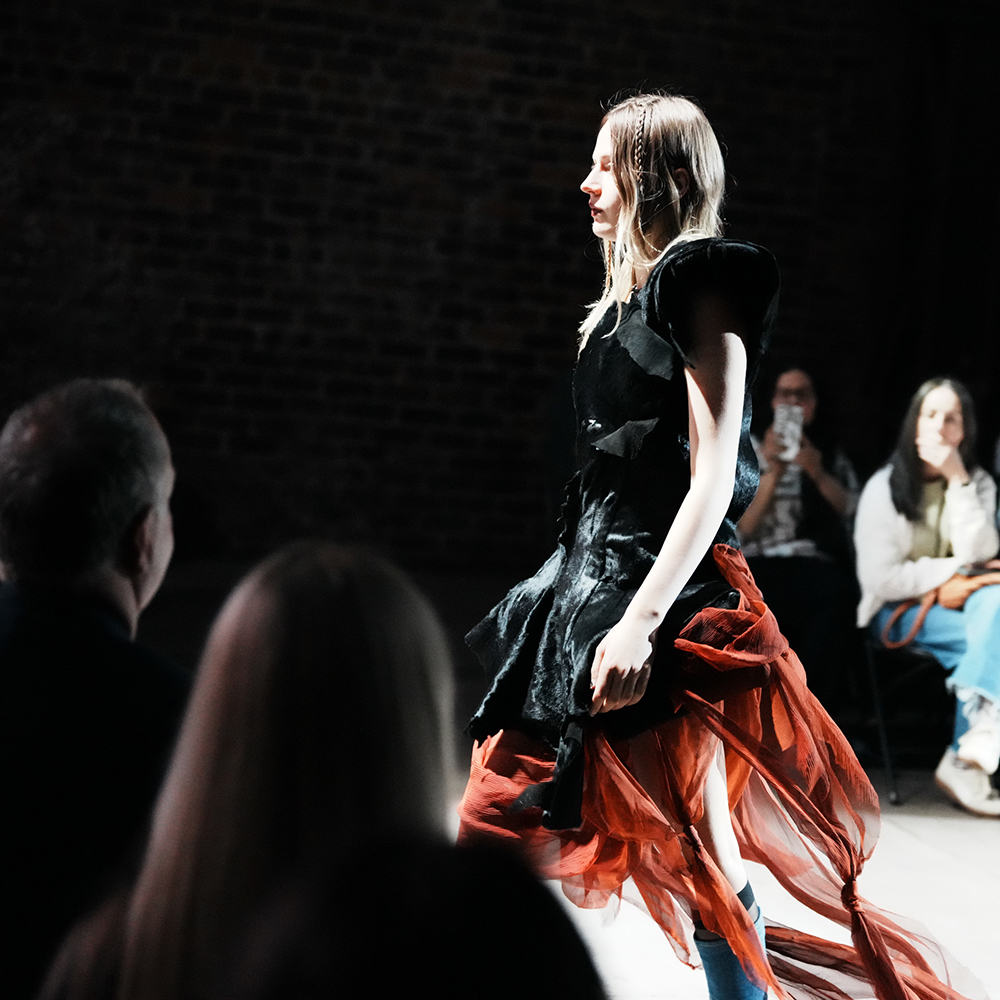
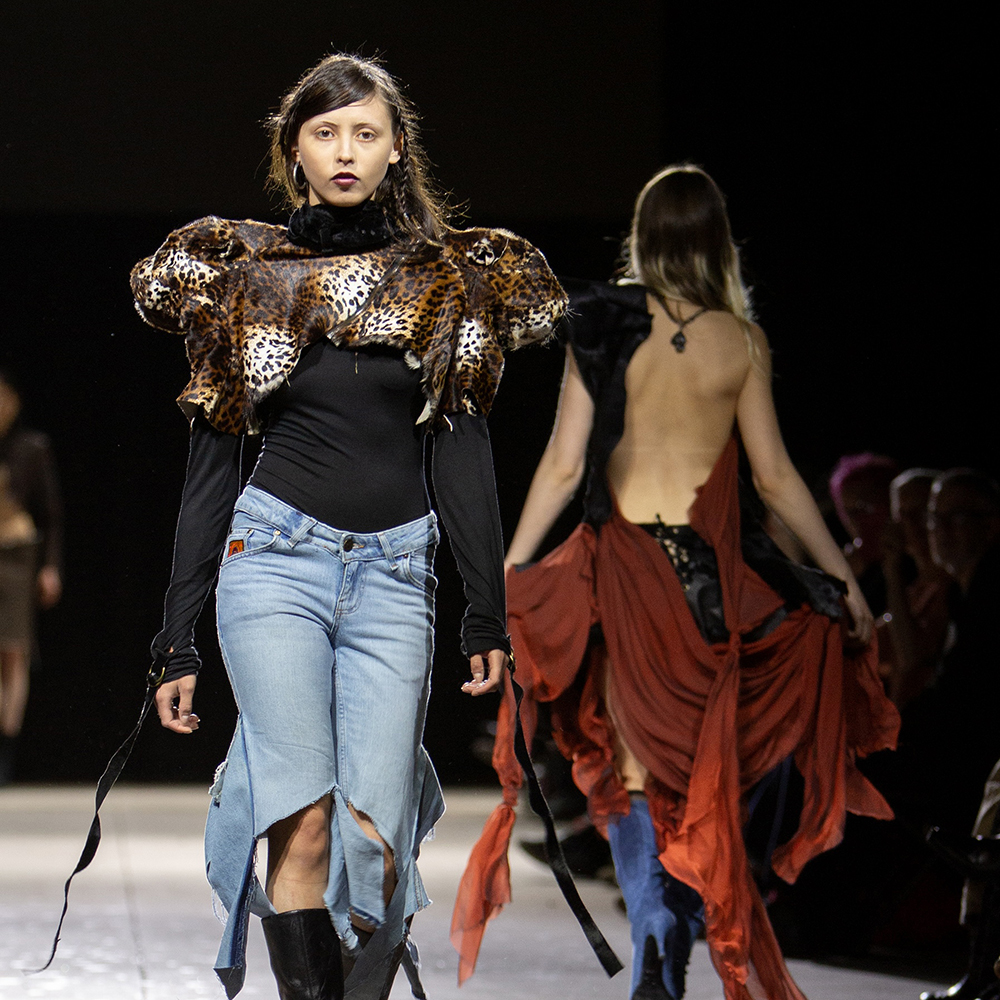
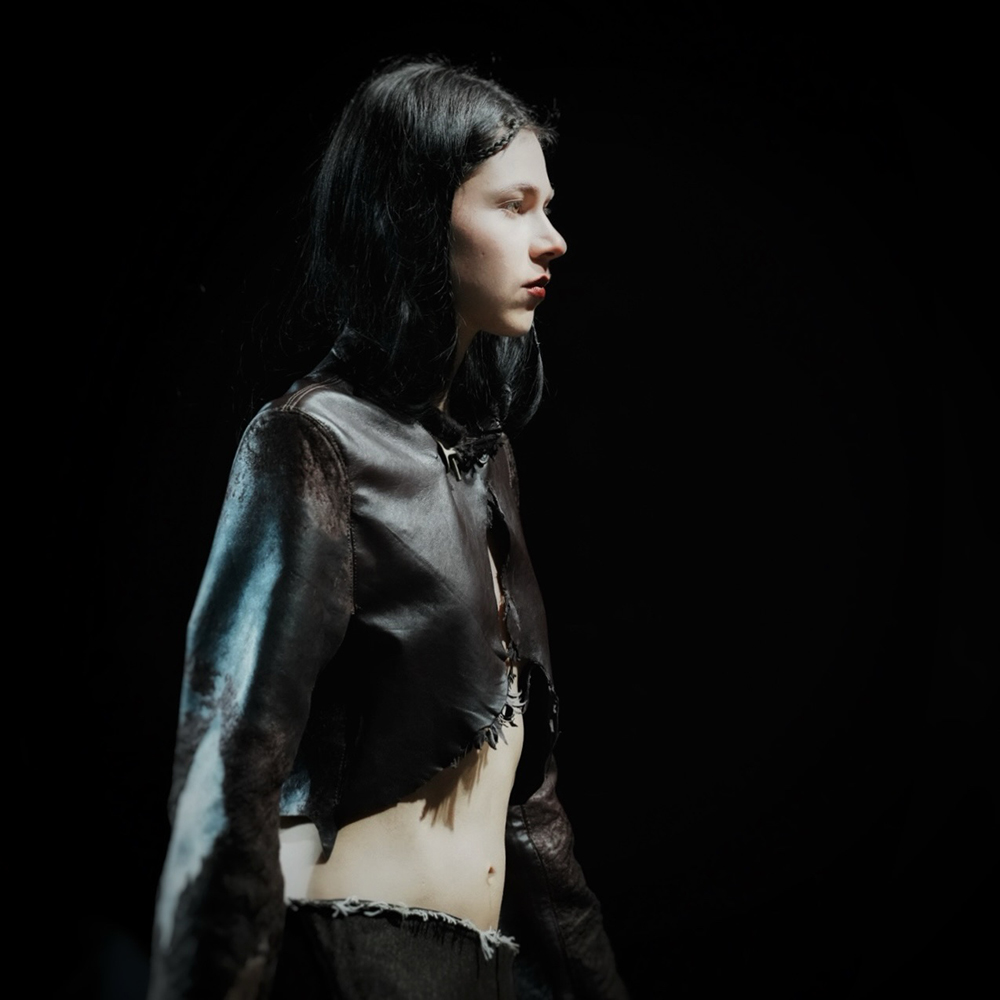
My practice explores memory, domestic space and cultural identity through womenswear. My graduation collection, Invisible Rooms, centres on my grandmother's house in southern Ukraine, where I spent the first years of my life. Since the region became occupied, the house has become impossible for me to revisit and now survives primarily through memory, photographs, dreams and imagination. It often appears as the default setting of my dreams and nightmares, existing somewhere between recollection and invention. Fashion has become a way to reconstruct and reinterpret this space, translating architectural and interior elements into garments. My methodology combines photography, image collection, styling, draping and material experimentation. I often begin by gathering photographs, objects, and visual references from domestic environments, allowing ideas to emerge through making. In Invisible Rooms, I also used AI-generated imagery as part of the research process to visualise spaces, memories and surreal environments that can no longer be directly accessed. These images function as references and prompts for further material and garment development. My work is informed by Ukrainian material culture, provincial architecture and the improvised DIY aesthetics that surrounded me growing up. I am interested in how clothing can give physical form to experiences that are otherwise difficult to hold onto. Through silhouette, texture and spatial construction, I explore the relationship between memory, the body and the spaces we inhabit. Curtains, carpets, furniture, and domestic objects often serve as starting points for garment development. I transform them into forms through pattern cutting, draping, textile development and image-making. During my studies, I moved from instinctive emotional storytelling to a more critically situated, concept-driven practice. Dreams, domestic objects and childhood interiors became tools for investigating questions of identity, belonging and the meaning of home.