Lisa-Carlotta Küsters

Scroll to explore
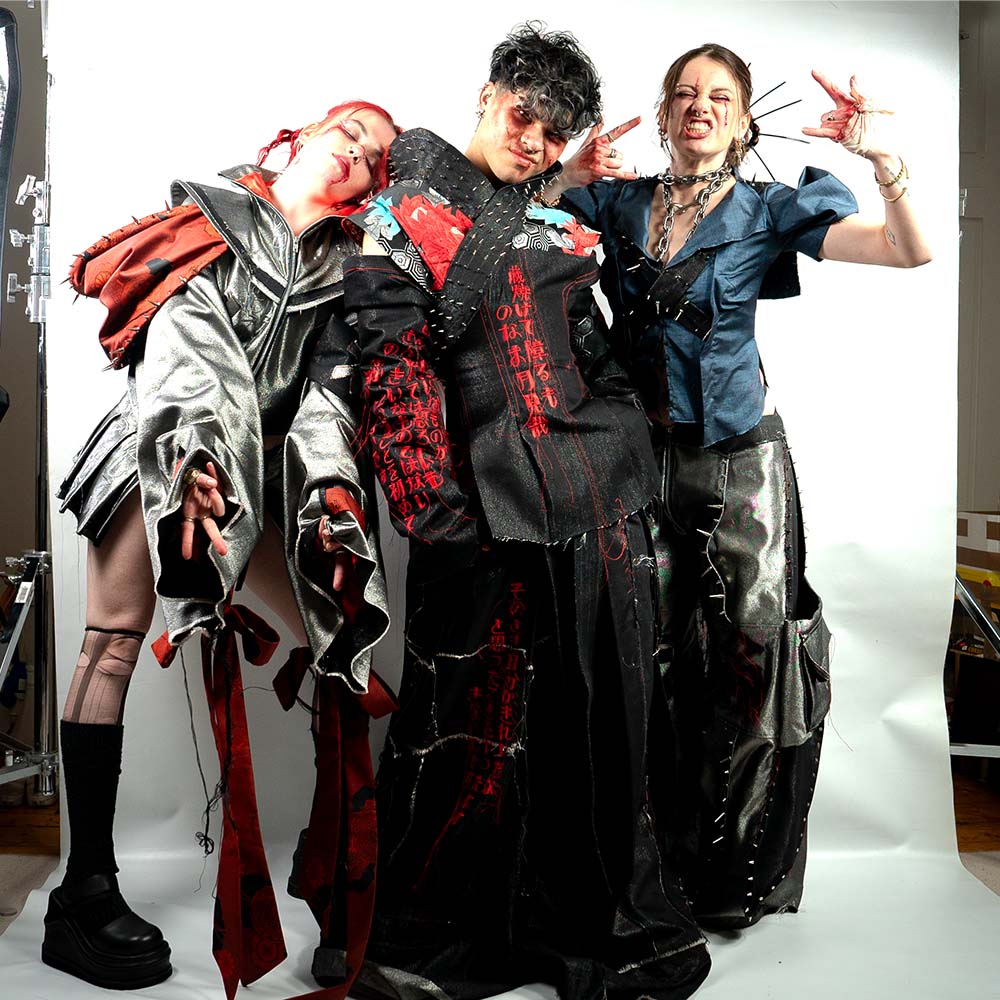
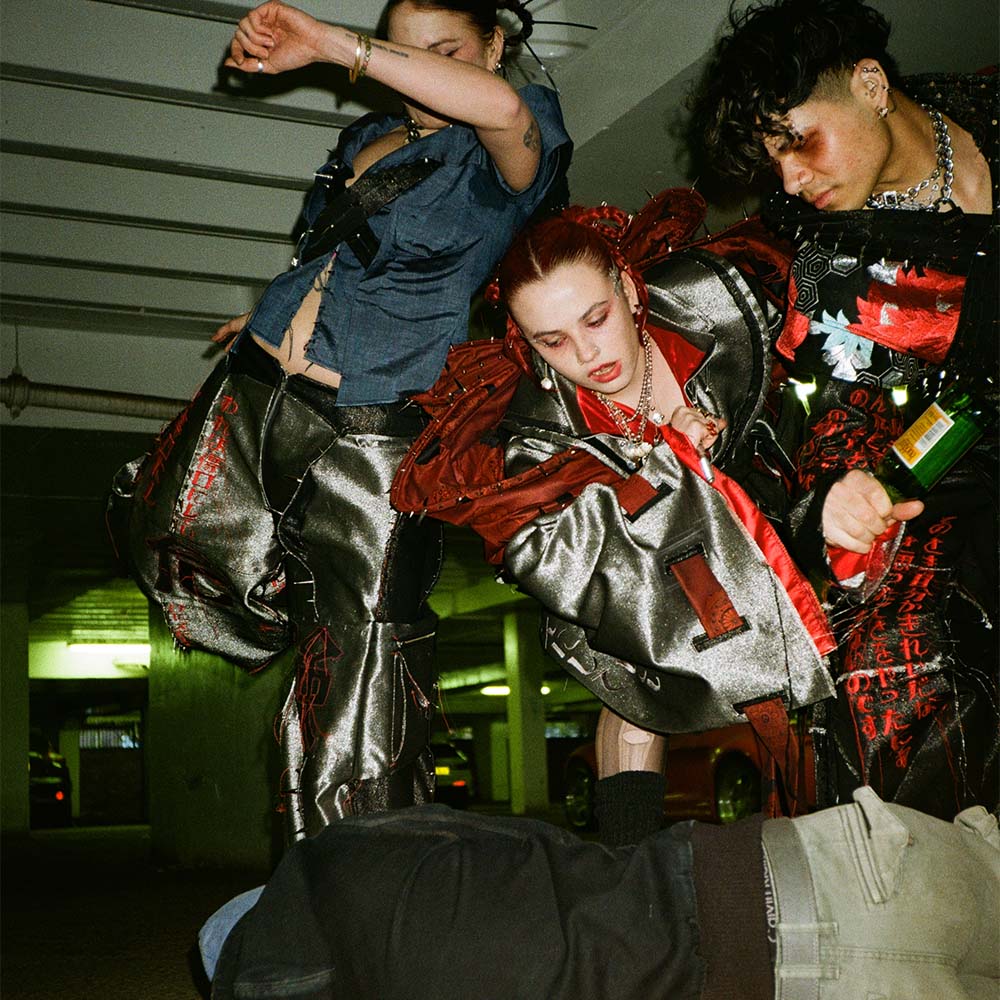
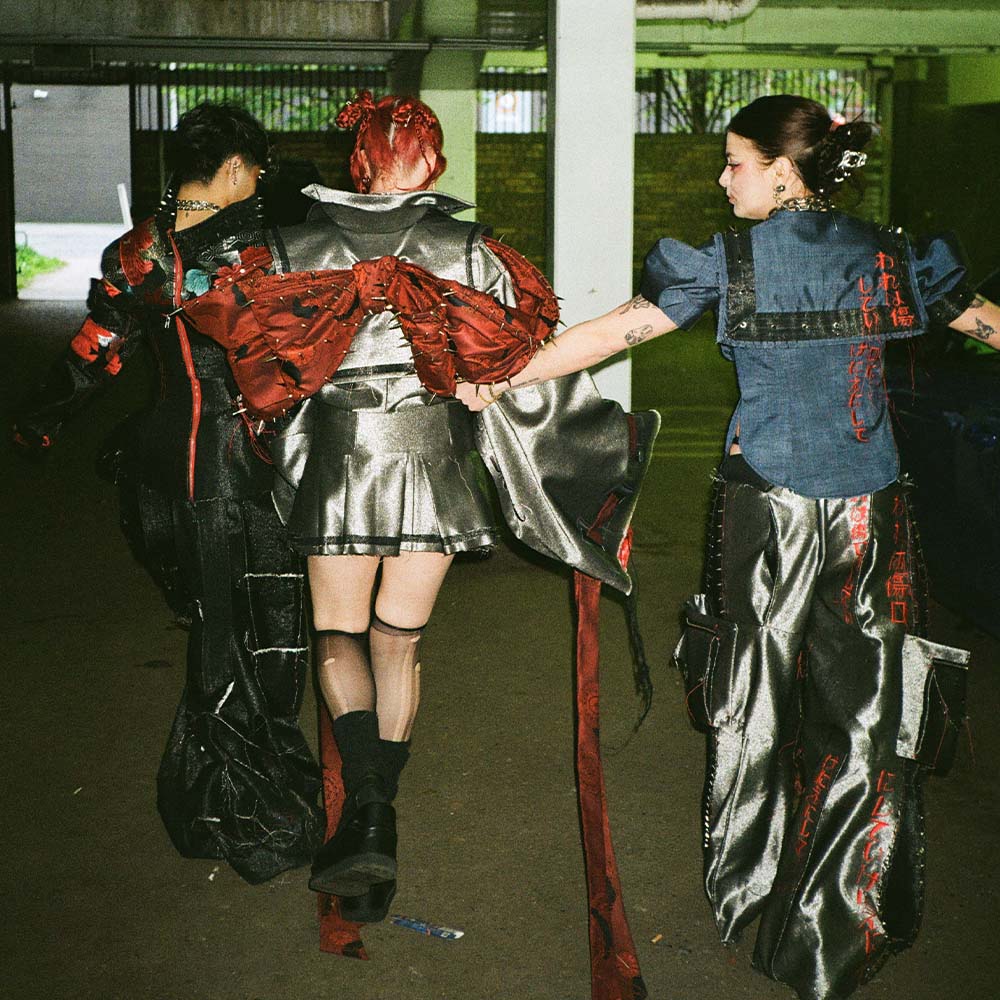
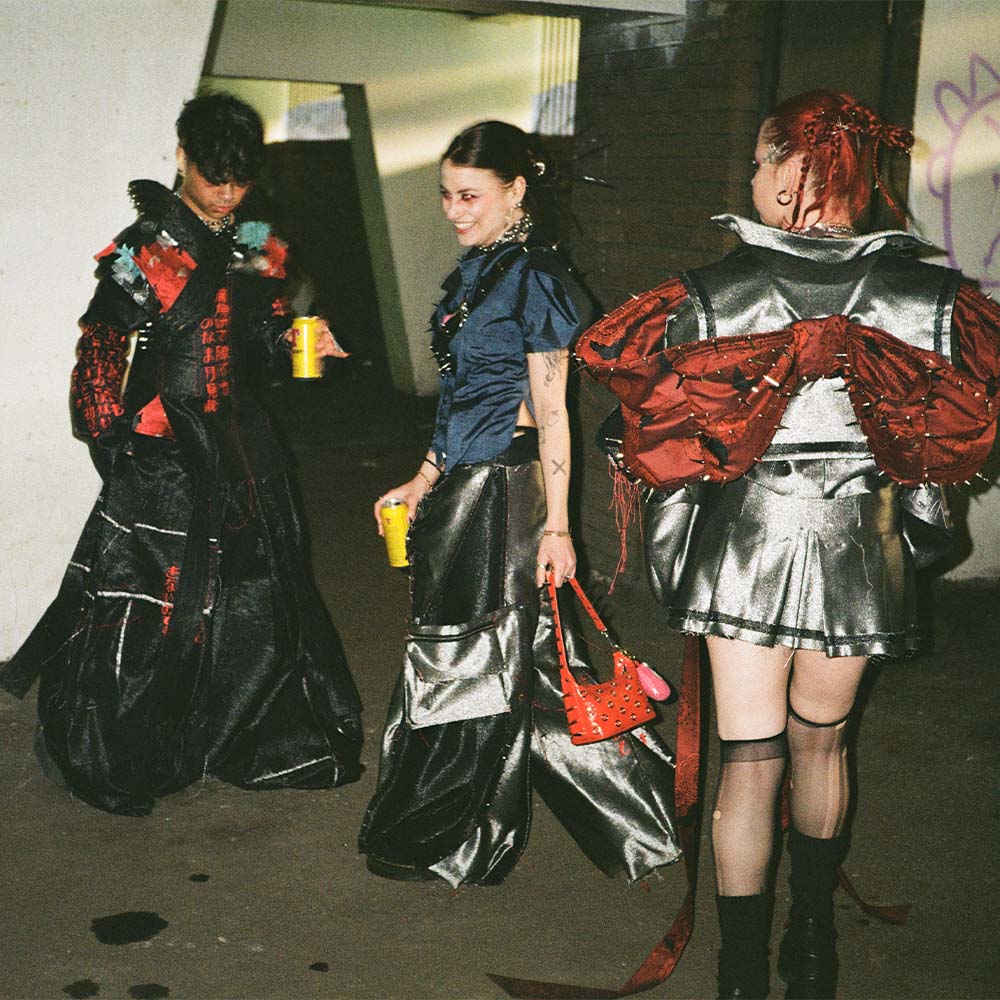
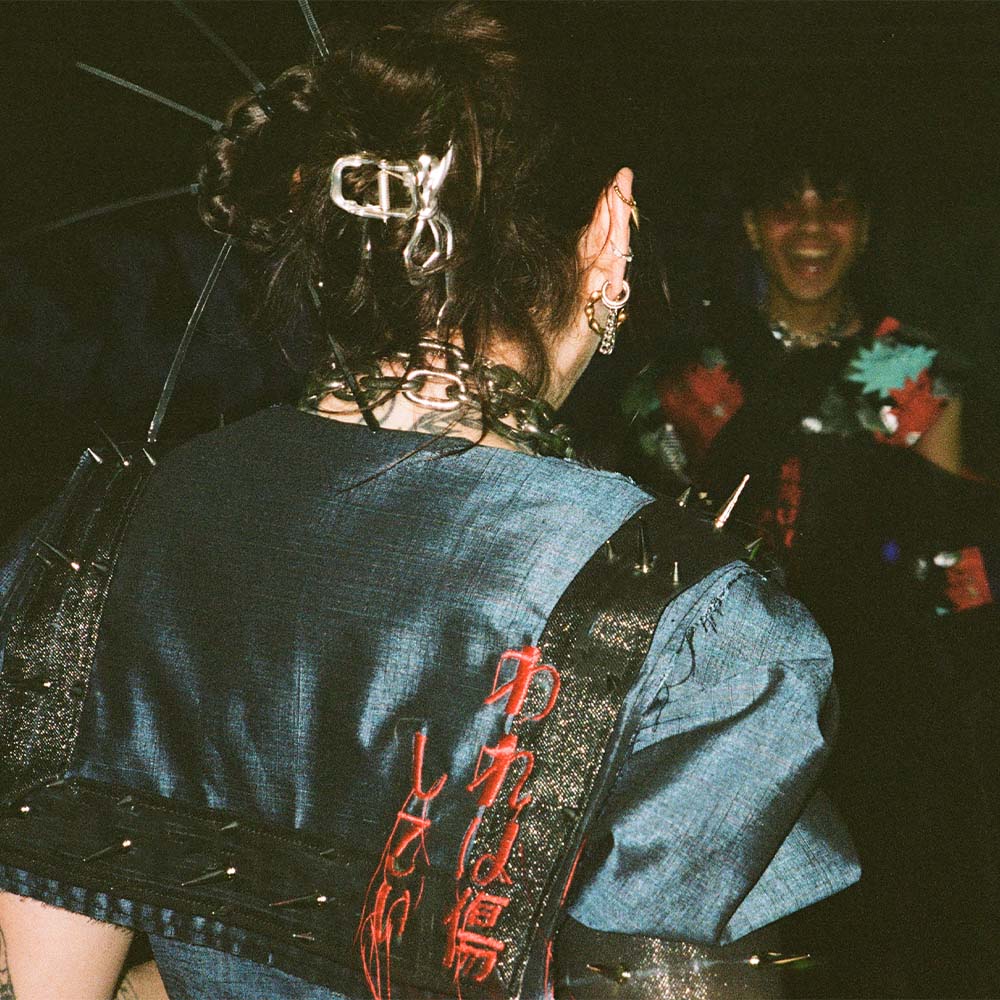
This collection explores the visual language of defiance. Drawing on Japanese subculture, cinema, and dress to examine how femininity, power, and resistance are performed and reimagined. The starting point is the hierarchical structure of sukeban gangs themselves, in which authority, loyalty, and visibility are clearly articulated through appearance and behaviour. The line-up of looks follows this internal order: the leader, their first lieutenant, and the wider division. Each role is expressed through shifts in silhouette, scale, and severity, allowing hierarchy to be read through the body and through dress. Rather than framing rebellion as a rejection of femininity, the collection treats it as a site of construction. It considers how visual codes associated with toughness, aggression, and authority can coexist with vulnerability, sensuality, and ornament. This collection moves away from binary oppositions of masculine versus feminine and instead celebrates a plurality of bodies where power is not limited to a single gendered form, but is performed, stylised, and shared across different physiques and presences. Ultimately, the collection proposes fashion as a space of friction where tradition and subculture, femininity and authority, discipline and rebellion meet. By reworking historical dress through a contemporary, inclusive lens, it seeks to transform the iconography of defiance into a statement of collective power, visibility, and self-determined identity.