Caitlin Herbert

Scroll to explore
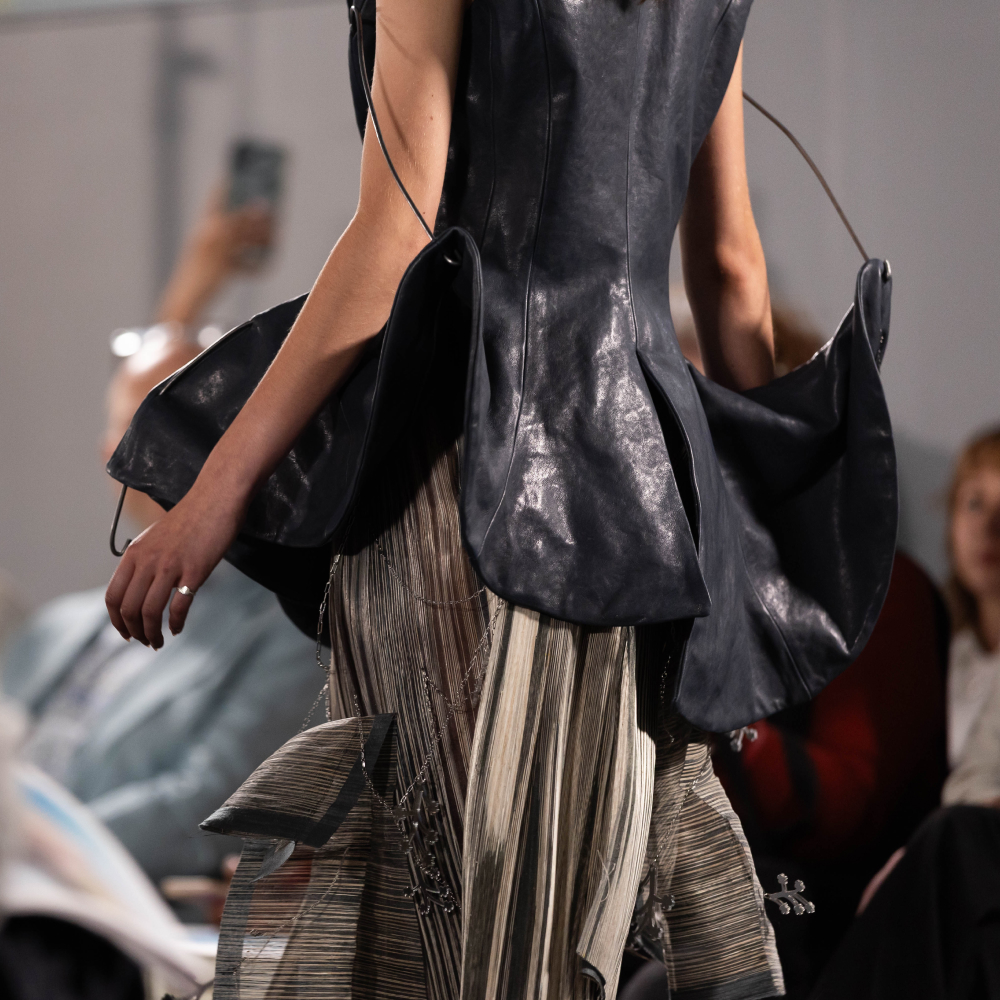
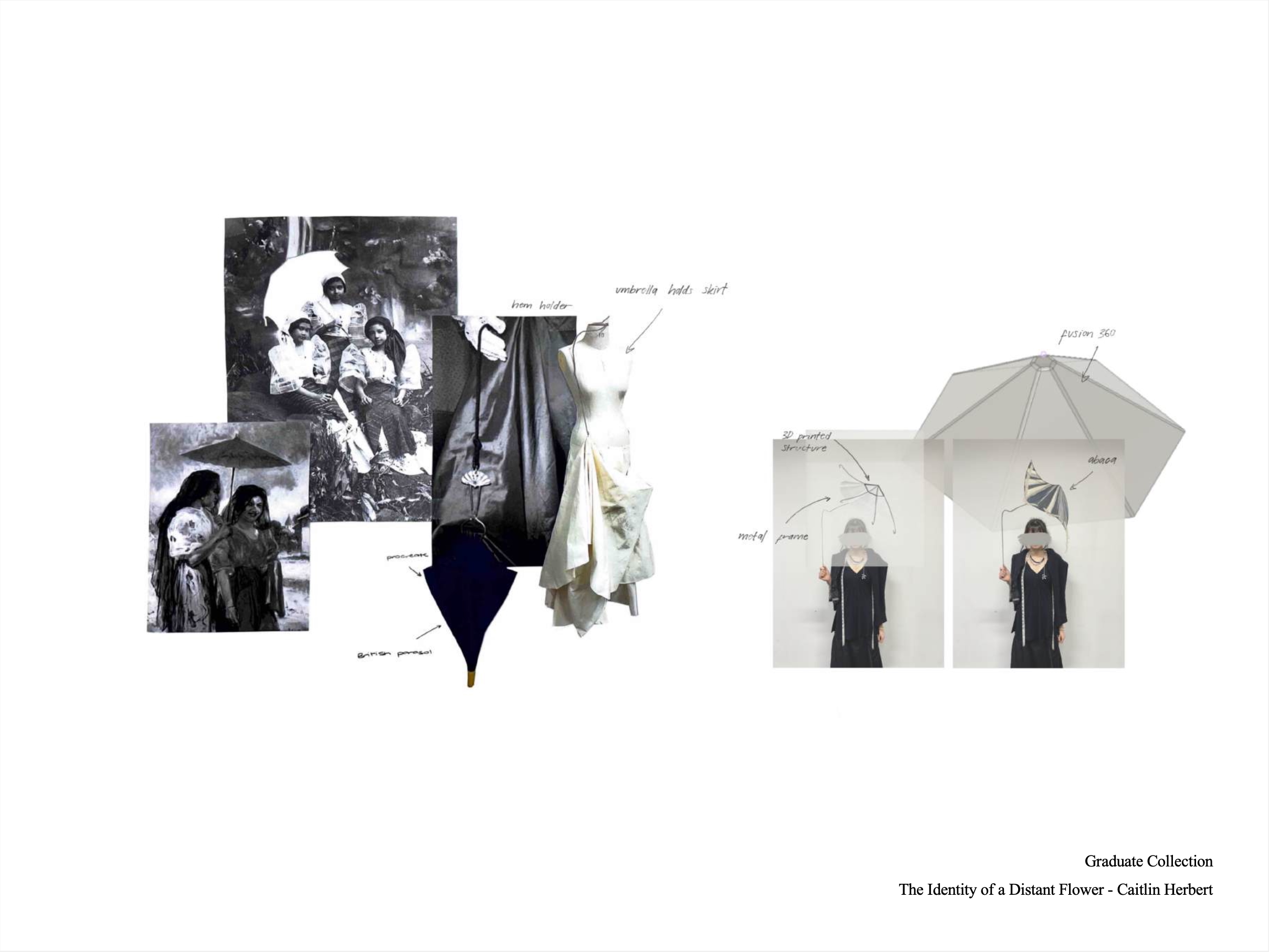
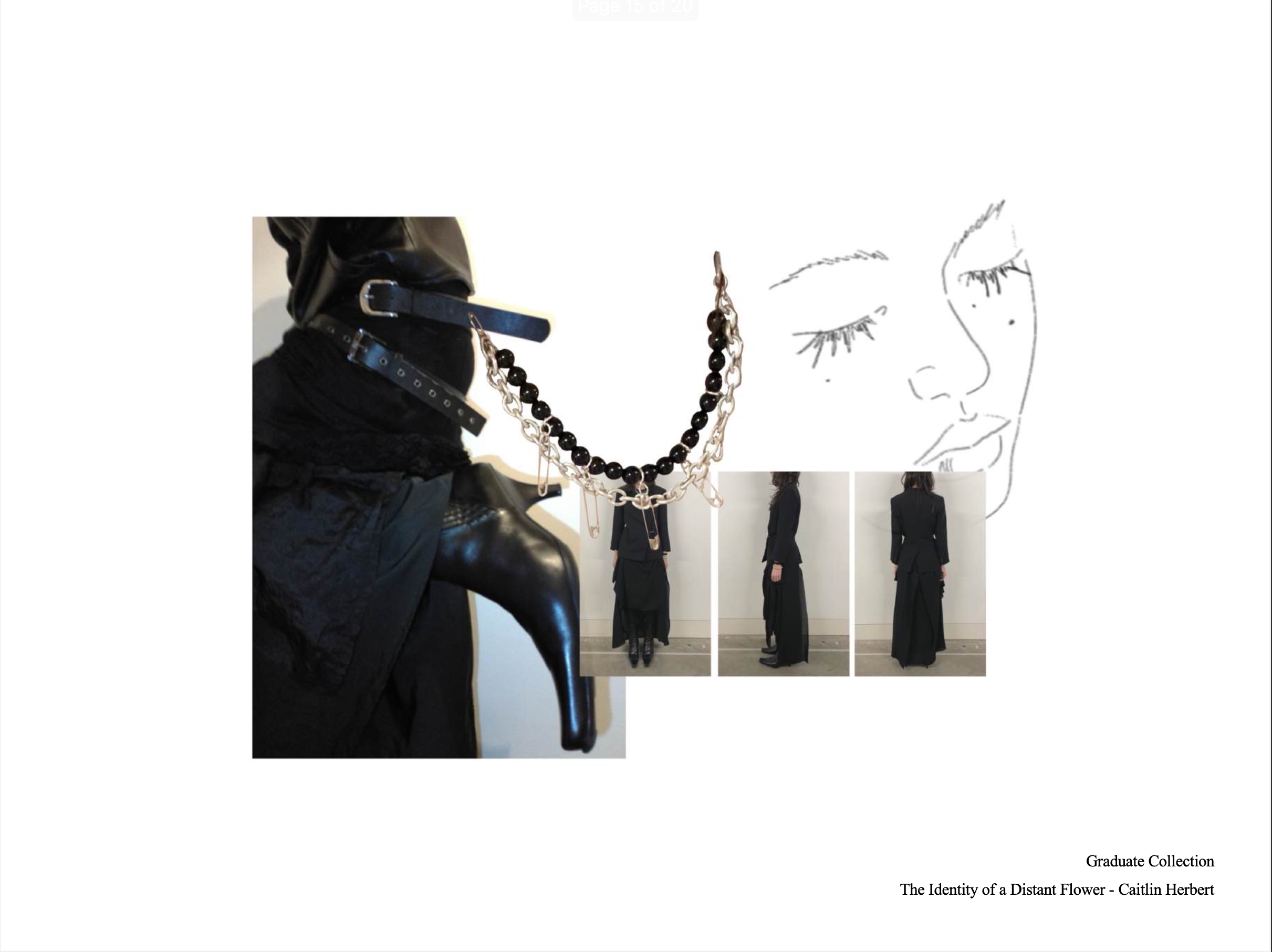
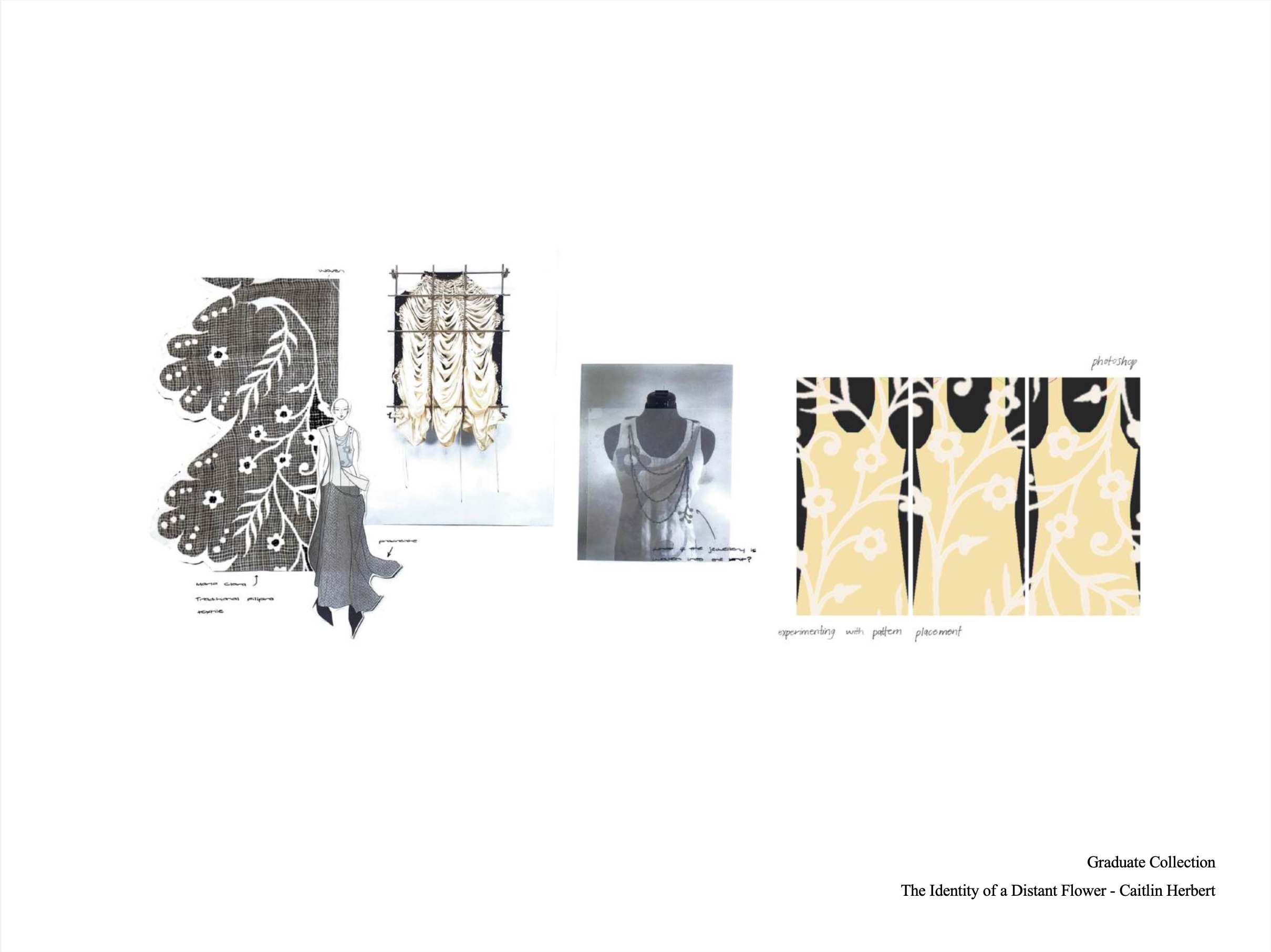
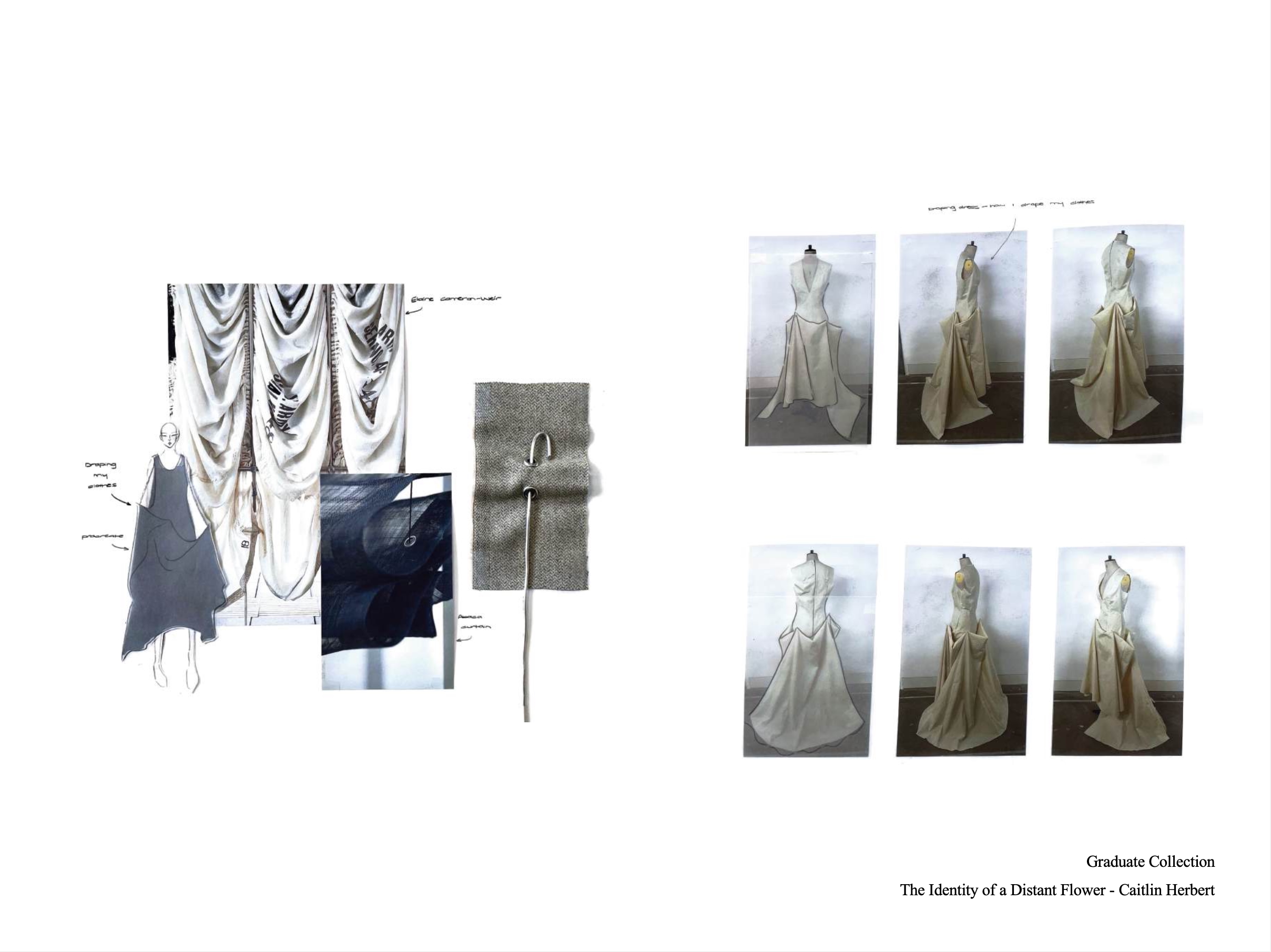
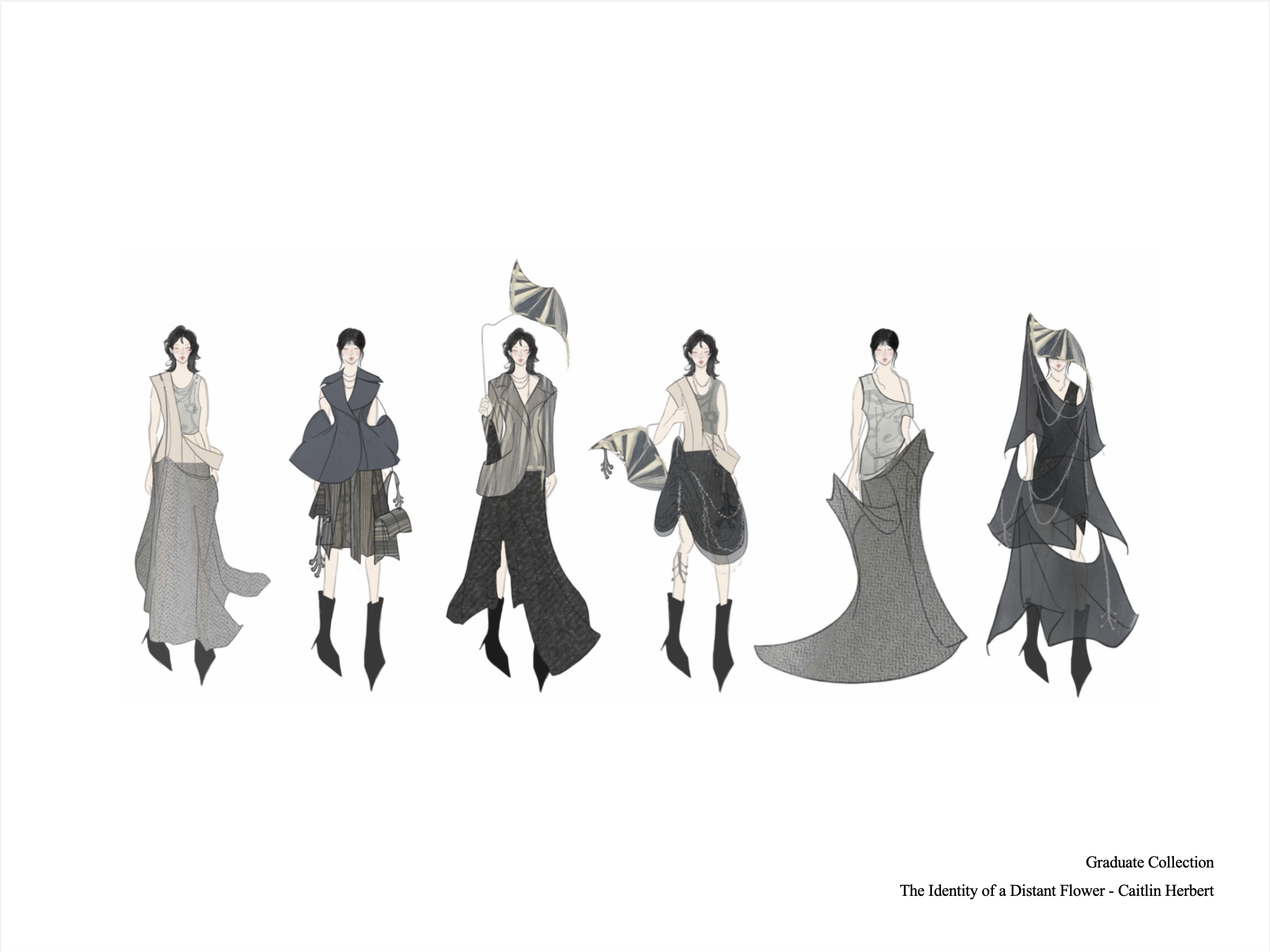
My final concept for collection is my personal experiences and struggles growing up half British, half Filipino, in Britain. It explores the disconnect and missing identity of my Asian culture. Growing up, my mum did not raise me with Filipino traditions, the culture, nor taught me the language (Tagalog). Naturally, this created a disconnect between myself, my relatives, family friends, and other Filipinos. Back in 2018, I visited the Philippines for the first time, I felt very out of place. I could not interact with my cousins and grandparents, due to our language barrier. I remember walking through the streets, everyone stared at me because I was different. My mum told me it was due to my pale skin complexion, visually speaking I did not fit in as most Filipinos are tanned. Being half White, half Asian, I have always faced this sentiment and question of ‘where do I belong?’. My feelings of isolation and frustration are perfectly communicated by Earl Sweatshirt’s lyric ‘Too black for the white kids and too white for the blacks’, in his song ‘Chum’. Reflecting upon my stories, I concluded my title to be ‘The Identity of a Distant Flower’. One of my research points is the British ‘Riding Habit’. Early 1900’s riding skirts had a circular cut out on the right side, meant for easier movement, particularly with side saddle riding. The clothing mirrors my aesthetic and personal style well. Focusing more on the asymmetry, fabric, skirt detailing and cut (Fig 3). The Victorian ‘Skirt Lifter’ is another research point. Popular from 1860 to 1880, these metal clamps were designed to hold up skirts and dresses, protecting them from the dirt and creating easier movement during physical activities. The clamp was invented to replace safety pins, as they kept opening and damaged fabrics. Similarly, I use safety pins to drape my basic skirts and dresses, making the pieces more personal. Corresponding to the skirt lifters, an installation artist, Elaine Cameron-Weir, blends the juxtaposition of drapey fabrics and structured metal bars. Elaine’s pieces inform her ideology of the human challenge, dealing with the unknown. Her work echoes my concept vision, allowing me to tell my narrative of my missing identity. In response to her work, I will use metal rods to drape fabrics, reflecting my styling technique of draping clothes using safety pins.