Nuo Xu
Scroll to explore
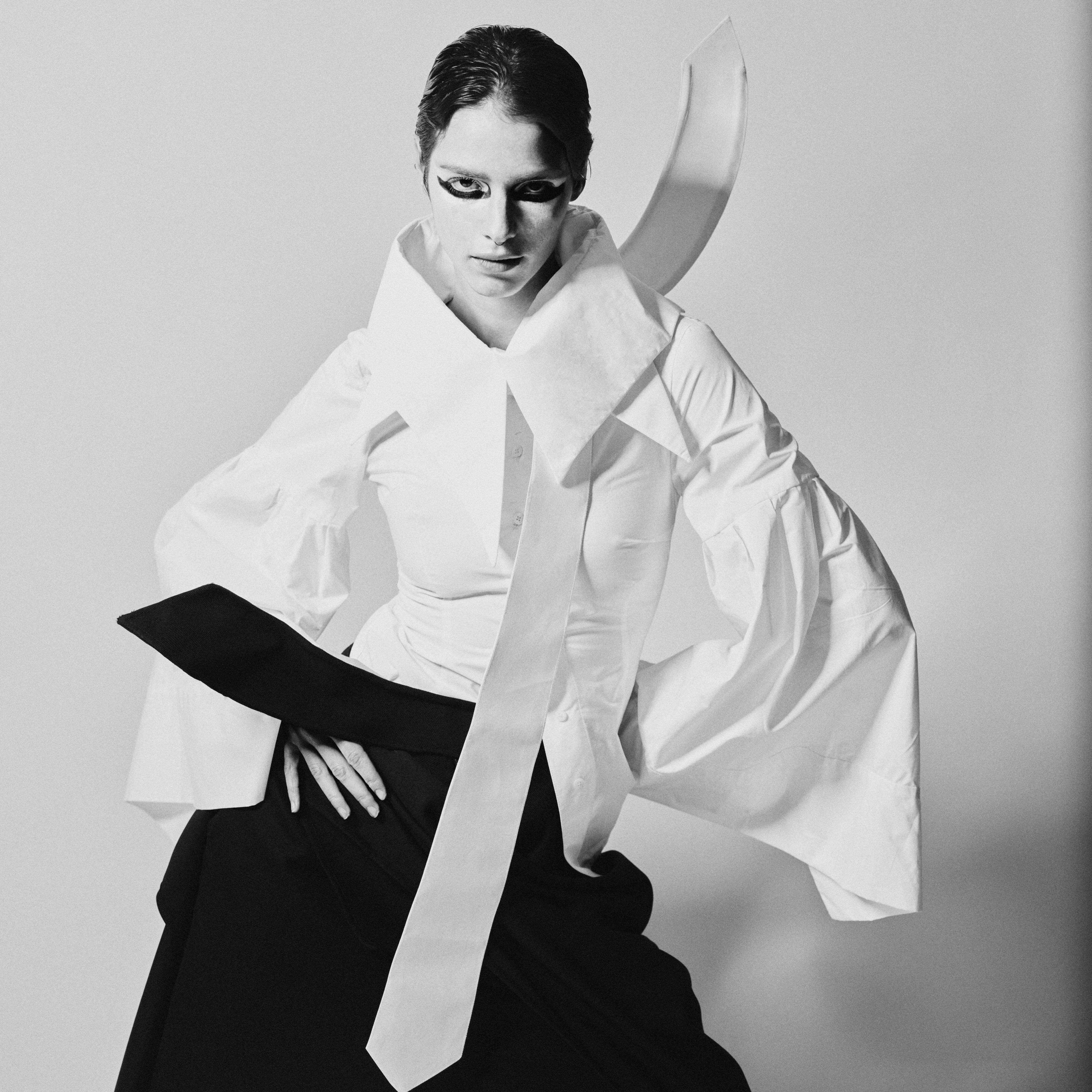
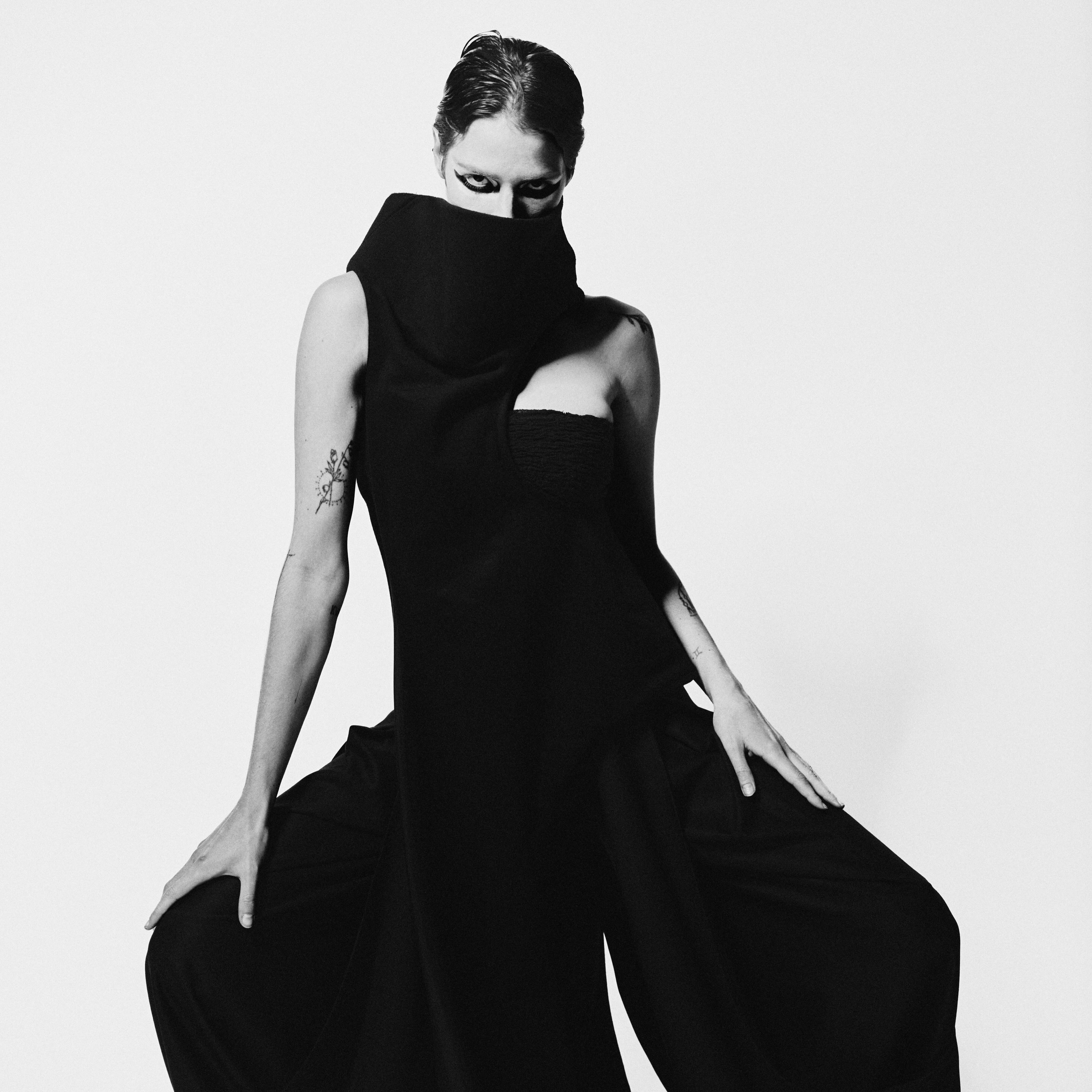
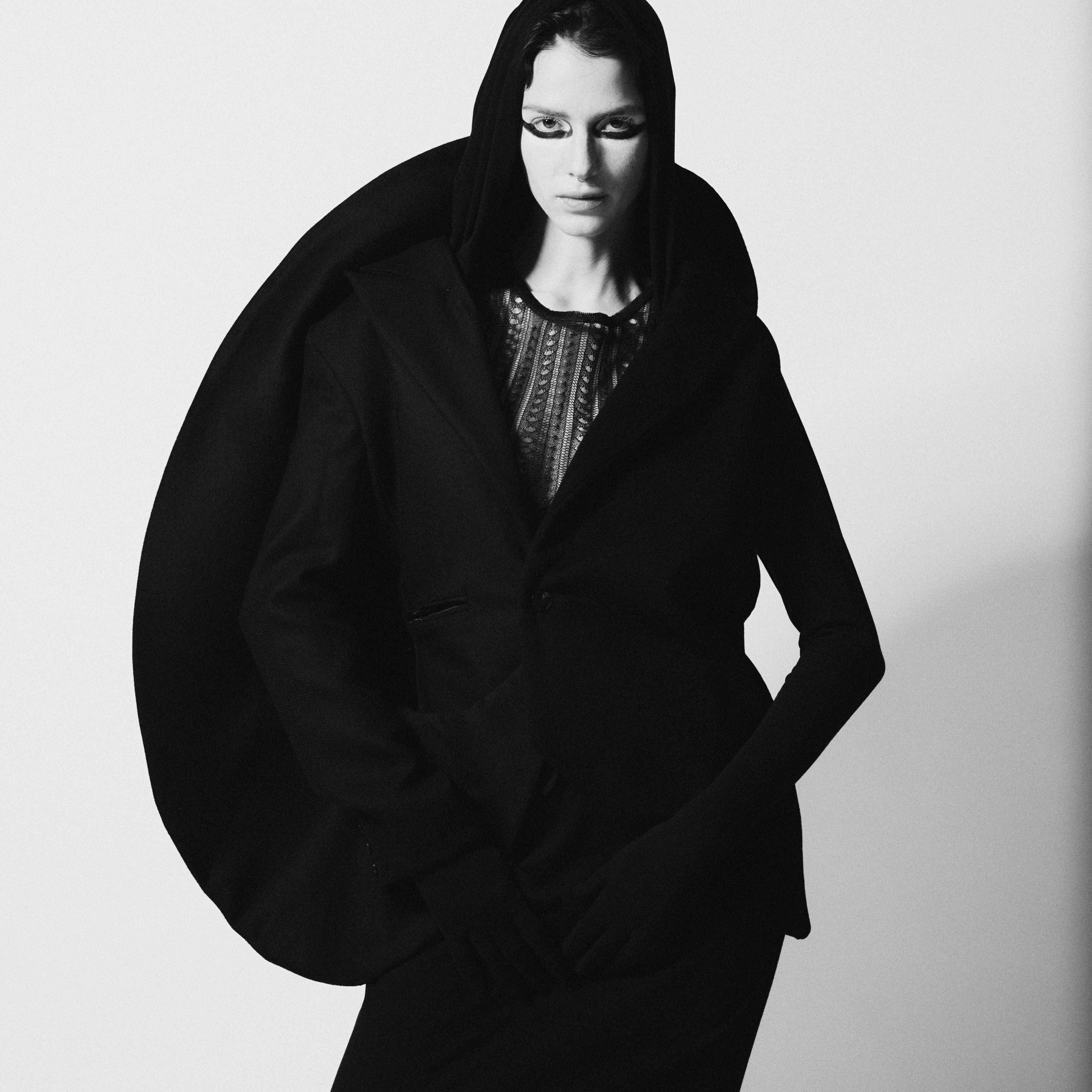
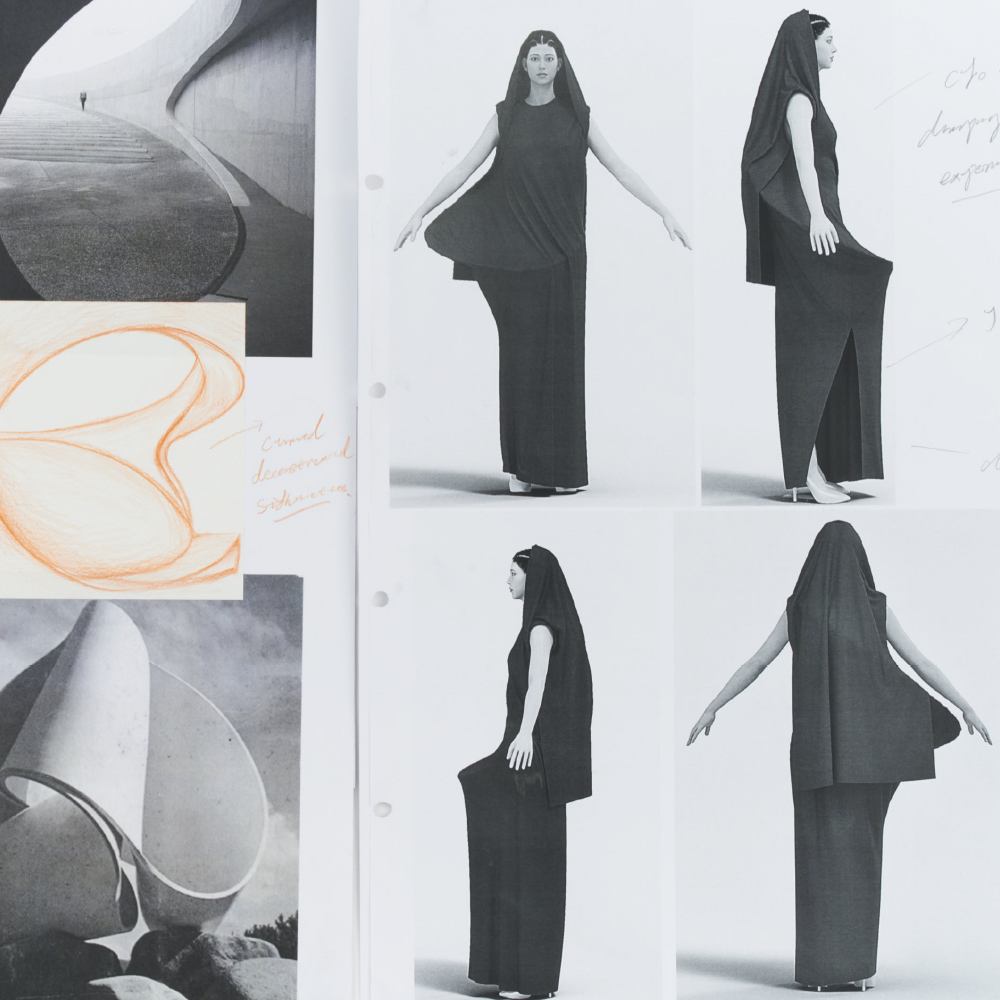
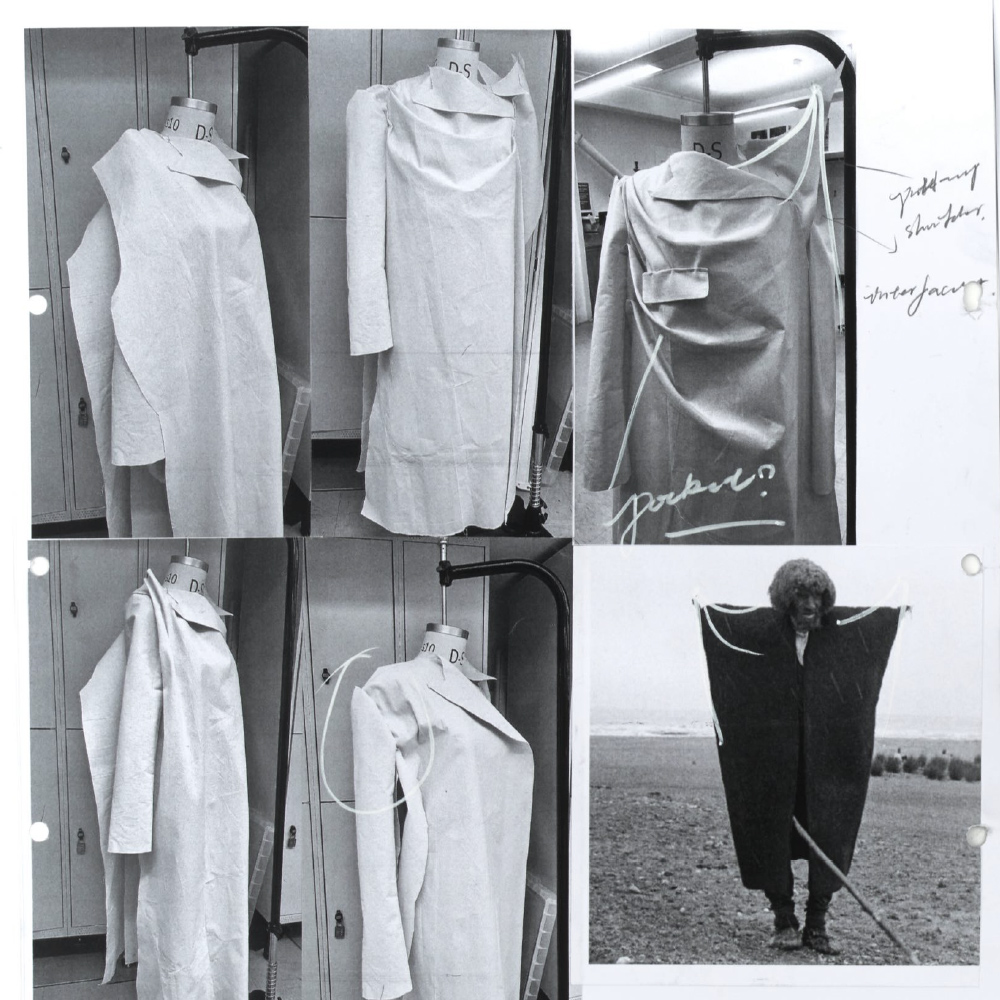
Nuo Xu is a womenswear designer whose practice explores sculptural form through an intuitive process of draping, pattern cutting and material experimentation. Her graduate collection, Suspended Memory, investigates the relationship between architecture and the body, creating garments that balance structure with fluidity while challenging conventional approaches to silhouette. Rather than beginning with a fixed outcome, Nuo develops each garment through an iterative dialogue between fabric and form. Working directly on the stand, she allows shapes to evolve through repeated draping, sampling and refinement, producing silhouettes that appear simultaneously engineered and effortless. This process-led approach enables unexpected volumes, folded constructions and suspended forms to emerge naturally through making. Architectural references underpin the collection, informing both proportion and construction. Curved concrete structures, monumental forms and modernist geometry are translated into sweeping collars, cocoon-like volumes and precisely controlled drapery that frame and redefine the body. Throughout the project, garments move between concealment and revelation, using sculptural wrapping and asymmetric balance to create a sense of movement and quiet tension. Material exploration plays a central role within the collection. Nuo experiments extensively with calico toiles before refining each design in carefully selected suiting fabrics, allowing structure and softness to coexist within the finished garments. Layering, folding and controlled manipulation of cloth replace unnecessary decoration, placing emphasis on proportion, construction and craftsmanship. Every seam and fold contributes to the overall architectural language of the collection. Through Suspended Memory, Nuo presents fashion as an exploration of space, movement and contemporary form. Her practice demonstrates a commitment to technical precision while embracing the intuitive possibilities of draping, creating garments that are sculptural yet wearable. By allowing construction to become the primary means of expression, she develops a distinctive visual language where architecture, material and the human body exist in continuous dialogue.